
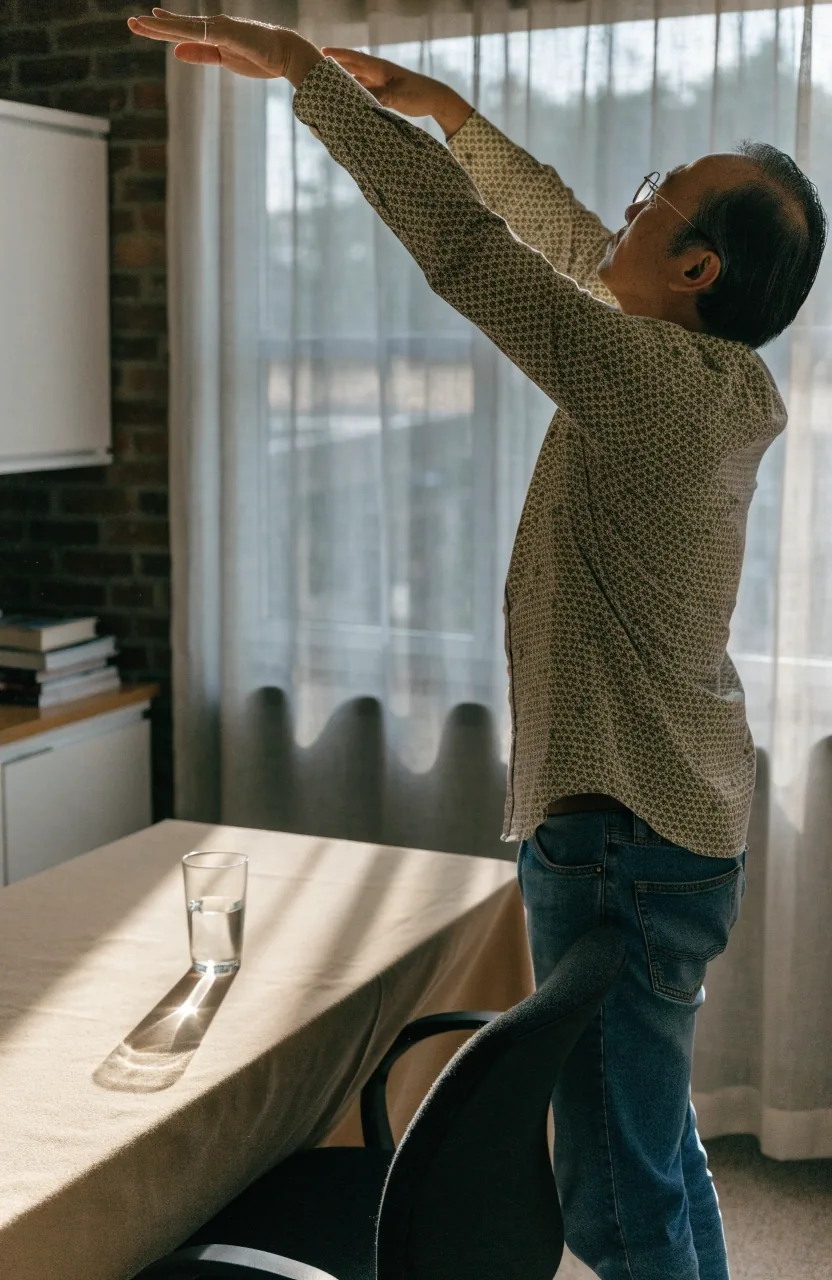
Why daily habits carry the training
Pelvic floor exercises ask for a few focused minutes each day. The other twenty-three hours matter just as much. Long stretches in one chair, skipped water, and a hurried walk to the bathroom all work against the control you are building during practice.
None of the tips below replace guidance from a qualified professional, and none of them promise a specific result. Treat them as a short checklist you can actually keep: two or three changes that fit your working day in Jakarta, repeated long enough to become ordinary.
If you are still building the basic movement, start with the pelvic floor exercises for men walkthrough and come back here once the squeeze is familiar.
A habit only counts once it fits the day you already have — not the day you wish you had.
The habits worth keeping
Five areas do most of the work. Each one is easy to start this week and easy to drop if it does not fit your schedule — try one at a time rather than all five at once.
Posture while you sit
Sit with both feet flat and your weight evenly spread rather than slumped onto one hip. Raise the screen to eye level so your neck is not folded forward. When you catch yourself slouching, correct it once and move on — repeatedly forcing a rigid posture adds tension without helping the muscles you are training.
Standing and movement breaks
Stand up roughly every hour during long desk stretches. Walk to refill your glass, take the stairs once, or roll your shoulders and shift your weight slowly from side to side. Short, frequent breaks are easier to keep than one long session after work, and they interrupt the pressure that builds from sitting still.
Water through the day
Drink steadily from morning onward instead of catching up in the evening. Keeping a bottle within reach makes the habit almost automatic. If you cut back on fluids to avoid bathroom trips, that usually backfires — talk to a qualified professional about your own pattern before making big changes.
Bathroom timing
Go when you feel the need rather than on a strict schedule, and avoid straining or rushing. Give yourself a moment to sit properly and let things happen without pushing. Emptying fully is easier when you are not hurrying out of the door — a small change that supports the control you practise at home.
Sleep and evening wind-down
Aim for a steady bedtime and put the phone down before you get into bed. Tense, short sleep makes it harder to concentrate on a slow squeeze the next morning. Two or three minutes of relaxed breathing before lights out also helps you notice where you hold tension in the belly and hips.

Building the habits into a working day
Most men in Jakarta sit through long commutes and longer screen hours. Rather than adding a separate routine, attach each habit to something that already happens: the moment you finish a call, the walk to lunch, the last glass of water before you leave the office.
Pairing a new habit with an existing one is the simplest way to make it stick. If you keep a daily routine written down, add the break to the same page rather than keeping two lists.
- Morning: stand and stretch once before you open your inbox.
- Midday: walk somewhere for lunch instead of eating at the desk.
- Afternoon: refill your water and reset your sitting posture.
- Evening: a short wind-down instead of one more screen.
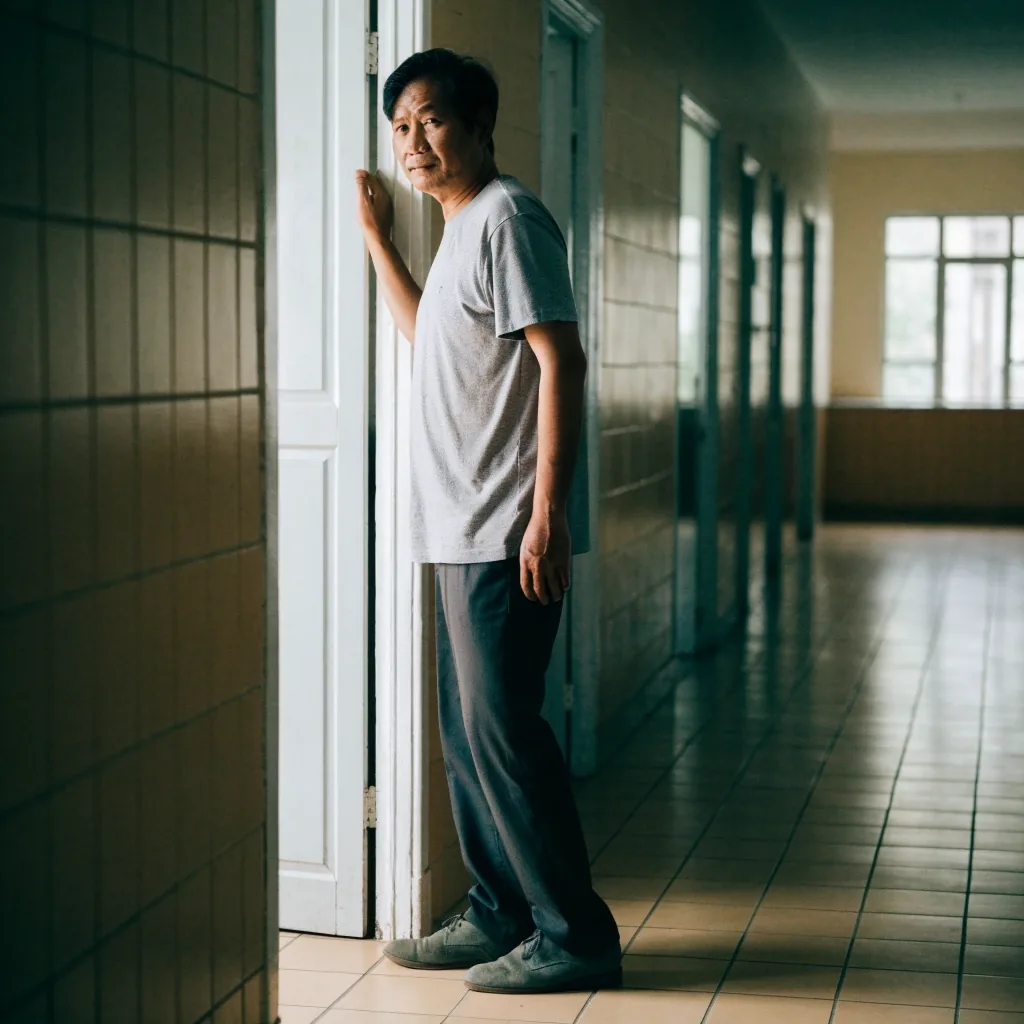
Starting small, and staying realistic
The biggest mistake with self-care habits is trying to change everything on a Monday. Start with one item from the list above, keep it for two weeks, and only then add another. A habit you keep at sixty per cent effort is worth more than a perfect week you abandon.
Expect it to feel awkward at first. Standing every hour interrupts your focus, and drinking more water means more trips away from your desk. Both settle once the routine stops being a decision and starts being part of the day.
Skip a day without treating it as a failure. The point is to return the next day, not to build a perfect streak.
Where these tips fit on the site
Self-care sits alongside the exercise pages rather than replacing them. If you are new here, the order below is the one most visitors follow — read one page, practise for a week, then move on.
Learn the movement
The Kegel exercises guide explains how to find and squeeze the right muscles before you build a routine around them.
Plan the week
Use the daily routine builder to decide when practice and movement breaks happen, so the habits above have a slot.
Understand control
The bladder and bowel control basics page covers everyday habits around timing and fluids in more detail.
Questions visitors ask
Short answers to the things that come up most often when people start adding these habits to their day.
Do I need to do all five habits at once?
No. Pick one, keep it for a couple of weeks, and add the next only when the first feels automatic. Two habits you keep are more useful than five you drop.
How do these tips relate to pelvic floor training?
They support it. Posture, movement breaks, and sensible fluid habits make it easier to practise the squeeze consistently. They are not a substitute for the exercise itself, and they are not a substitute for advice from a qualified professional.
What if my day is too busy for breaks?
Attach the break to something that already happens: the end of a call, the walk to lunch, the moment you refill your glass. You do not need extra time in the calendar, only a trigger you already pass through.
When should I ask someone qualified?
If a habit feels wrong for you, if something changes and worries you, or if you are unsure whether a routine suits your situation, speak to a qualified professional before continuing. These pages are educational and cannot judge your individual case.

Start with one habit this week
Choose the tip that feels easiest to keep, add it to your day tomorrow, and give it two weeks before you judge it. If you want to know which exercise page to read next, or you have a question about the material here, get in touch and we will point you in the right direction.
- Questions about the exercise pages or the habits above — write to [email protected].
- Prefer to talk it through? Call +62 21 5550255 Monday to Friday, 9:00 AM – 6:00 PM (WIB).
- Visit us at Jl. Jenderal Sudirman No. 52, Jakarta Pusat, DKI Jakarta 10220, Indonesia.
This page is educational and exercise-focused. It does not offer promises about outcomes, and it does not replace advice from a qualified professional.