

Pelvic floor training, explained for men
Learn the exercises. Build the habit. Keep it discreet.
Male Vitality Exercises is an exercise-focused guide for men in Indonesia: how to find the pelvic floor muscles, how to train them with Kegel routines, and how to fold that training into an ordinary working week. No promises, no shortcuts — just clear instructions you can follow at home.
Please read
This site is educational and exercise-focused only. The material here is general information about pelvic floor and Kegel training, not personal guidance for any individual, and it does not replace advice from a qualified health professional who knows your situation. If movement brings pain or you are unsure whether an exercise suits you, stop and speak to a qualified professional first. Nothing on this site is a promise of any particular outcome.
A small muscle group, trained on purpose, in about ten quiet minutes a day.
The pelvic floor is the hammock of muscle that sits at the base of the pelvis. It helps you hold urine and wind until you choose to let go, and it works alongside your breathing and your posture. Like any other muscle, it responds to regular, well-targeted exercise — and like any other muscle, it can also be overworked. That is why the pages below start with finding the right muscles before they ask you to train them hard.
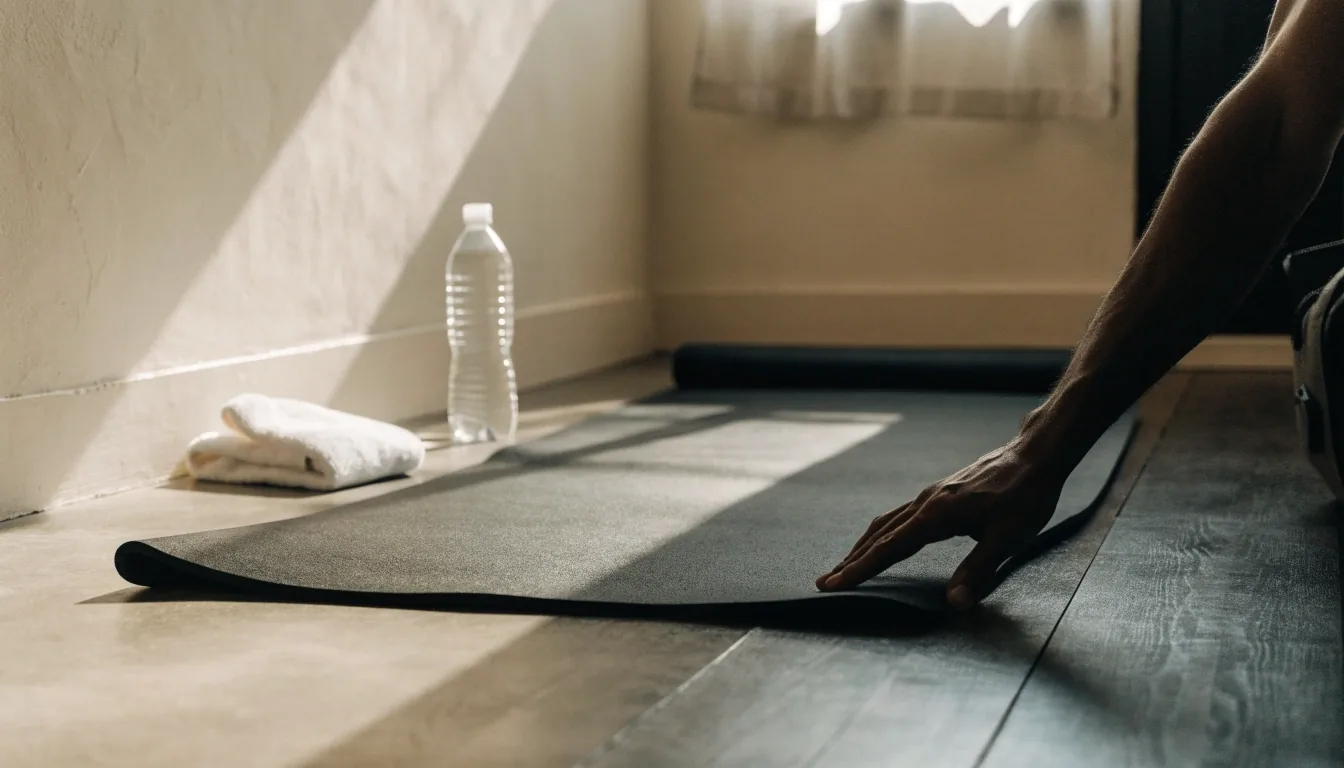
Where most men get stuck, and how this site is arranged
Nearly everyone who tries pelvic floor training runs into the same three problems: they squeeze the wrong muscles, they hold the squeeze too long, or they train for a week and then forget. Each section below answers one of those problems, in order.
Work through them from the top, or jump straight to the page that matches what you need today.
Pelvic Floor Exercises for Men
How the muscles work, how to check you have the right ones, and the slow-hold and quick-flick sets that make up a basic session.
Read this page TechniqueKegel Exercises Guide
Position, breathing, and the common mistakes that make a Kegel session feel like nothing is happening at all.
Read this page PlanningDaily Routine Builder
A week you can actually keep: which sets go where, how long each takes, and how to keep the habit going past the first month.
Read this page Everyday useBladder & Bowel Control Basics
How trained muscles fit into daily life — toilet habits, lifting, coughing, and the moments that catch people out.
Read this pageFinding the muscle is the hard part. The rest is repetition.

A useful check, and one you can do fully dressed: as you breathe in, let the muscles at the base of the pelvis soften. As you breathe out, draw them up and in, gently, as if you were stopping wind from escaping. Nothing above should clench — not your thighs, not your buttocks, not your stomach. If everything squeezes at once, you are bracing rather than training.
Start lying down. Once you can repeat the movement there without losing it, try the same thing seated at your desk, then standing in the kitchen while the kettle boils. That progression — lying, seated, standing — is how the training starts to hold up in an ordinary day.
What a week of pelvic floor muscle training looks like
The schedule below is the shape used across this site. It is deliberately modest. Short, frequent sessions are easier to remember than one long one, and they leave the muscles time to rest between sets.
Slow holds
Draw up gently, hold while you keep breathing, release fully. Repeat in a set of eight to ten, resting between each one.
Two sets a day to begin with.
Quick flicks
Squeeze and release in a steady rhythm, without holding. These train the fast response used when you cough, sneeze or lift something.
One set of ten, once a day.
Rest days
Muscle needs recovery time. Choose two days a week where you do no pelvic floor sets at all — your other exercise can carry on as usual.
Two days off each week.
Breathing first
Every set begins with one slow breath out. If you catch yourself holding your breath, stop the set and start again on the next exhale.
Applies to every session.
Everyday habits that make the training stick
Attach it to something you already do
Morning shower, commute, the ten minutes after lunch. Training rides along with an existing habit far more reliably than it survives a reminder on your phone.
Watch how much water you drink late
Large volumes of fluid close to bedtime mean more trips during the night, which is harder to manage while the muscles are still learning. Steady intake through the day suits most people better.
Keep moving, not just the pelvic floor
Walking, cycling, swimming and light resistance work all support general male wellness self-care. Pelvic floor sets are a small part of a week, not the whole of it.
Slow down if the muscles feel tired
A heavy, achy feeling in the pelvis after a set usually means too much, too soon. Reduce the count, add a rest day, and build back up gradually.
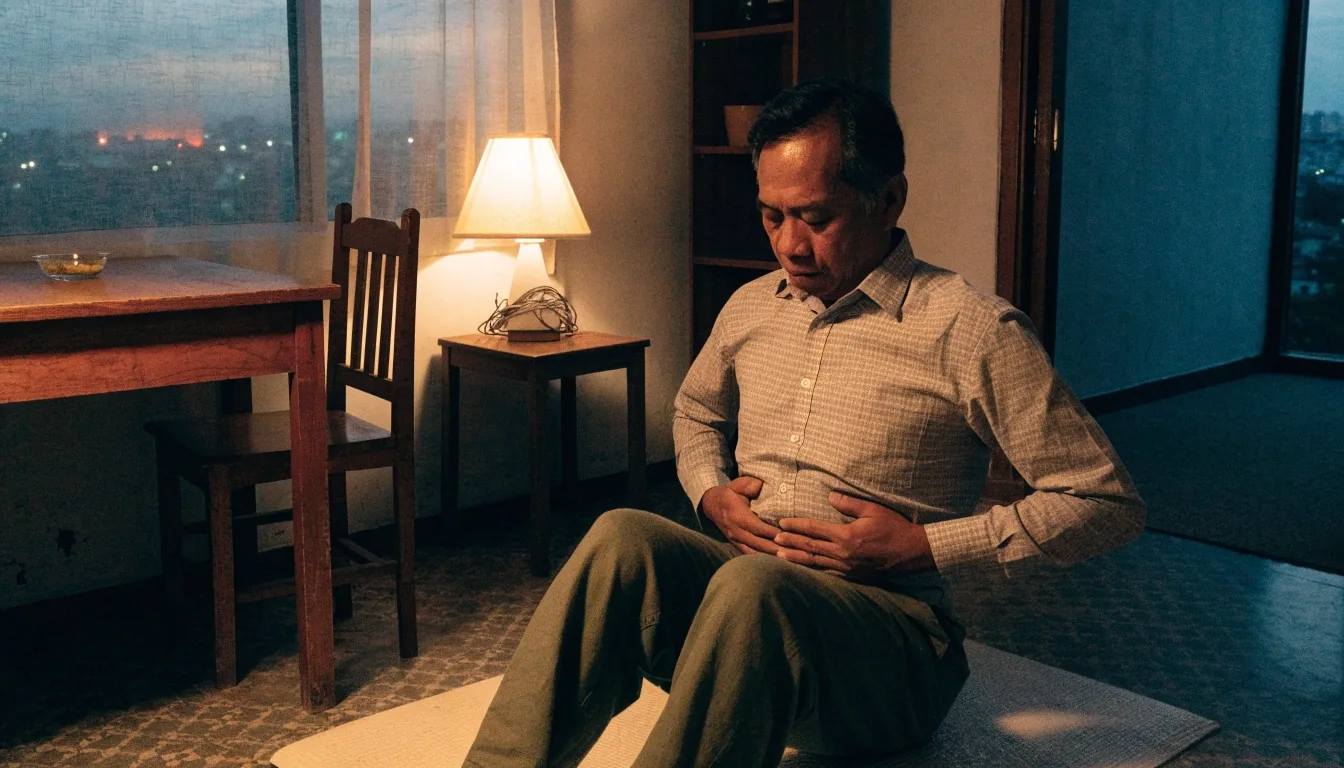
Start with one session today, not a whole programme
Pick the page that matches where you are. If you have never tried pelvic floor training before, begin with the foundations and come back to the routine builder once the basic movement feels familiar. If you would rather ask something first, write to us — we answer during working hours, Monday to Friday.
Questions men ask before they begin
Short answers to the things that come up most often. If your question is not here, the contact page is the fastest route to an answer.
How do I know I am squeezing the right muscles?
The clearest sign is that nothing else moves. Your stomach stays soft, your thighs stay quiet, your buttocks do not grip. Try the movement while seated on a firm chair: if you feel a gentle lift inside rather than a clench at the surface, you are close. Practising lying down first removes most of the guesswork.
How long before I notice a difference?
Muscle changes at its own pace, and it varies from person to person. What this site can offer is the training method, not a timeline. Practically, the first thing most people notice is that the movement itself becomes easier to find and hold — that usually comes before any change in daily life, and it is the signal that the training is working as an exercise.
Can I do these exercises at my desk?
Yes, and it is one of the reasons the training suits a working day. Nobody around you can tell. The one thing to watch is posture: if you are slumped forward with your breath held, the set will be harder to control. Sit up, let your shoulders drop, and start on an exhale.
What if it feels like nothing is happening?
That is normal at the start, and it usually means the squeeze is small rather than wrong. Begin lying down with your knees bent, use a slow breath out, and aim for a gentle draw rather than a hard grip. If weeks pass with no change in how easy the movement feels, or if you feel pain, that is a good moment to speak to a qualified health professional about your individual situation.
Is this the same as general fitness training?
No, though the two support each other. Walking, cycling and strength work keep your general fitness and weight in a range that is kinder to the pelvic floor. The exercises on this site are a separate, targeted set of contractions and releases that you do alongside them.
More guidance on this site
Four more pages cover the parts that the basics cannot fit: daily timing, everyday control, self-care, and who is behind the site.
Questions, or something you would like covered here? Write to [email protected] or call +62 21 5550255. We answer Monday to Friday, 9:00 AM – 6:00 PM (WIB) from Jl. Jenderal Sudirman No. 52, Jakarta Pusat.