

About Male Vitality Exercises
About Us
This site exists to explain pelvic floor training and Kegel exercises for men in plain, practical English, so you can build a routine that fits an ordinary working week in Indonesia. We write about what to do, how to start, and how to tell whether a routine is worth continuing.
What this site is for
Male Vitality Exercises is an independent educational project. We publish exercise-focused material on pelvic floor training, bladder and bowel control habits, daily routines, and the small self-care decisions that sit around them. Everything here is written for a reader at home, not for a training room.
Exercise first
Pages explain positions, breathing, and how to pace a set. Where a movement is hard to describe in words, we describe the setup slowly instead of relying on a picture.
Plain language
Short sentences, everyday words, and no jargon dressed up as expertise. If a term matters, we explain it the first time it appears.
No promises
We do not tell you what will happen to your body. We describe the exercise, the effort it takes, and the signs that a routine is or is not fitting your week.
If you have a personal health situation you are unsure about, that belongs in a conversation with a qualified professional who knows your history. Our pages are general exercise information, not personal advice.
An exercise page should leave you knowing exactly what to try next.
That is the standard we hold each page to: a clear starting position, a number of sets you can actually do, and a plain way to check how it felt afterwards.
Who writes the guidance here
The people behind this site are writers and exercise enthusiasts who have spent time learning pelvic floor training for men the slow way, by practising it, reading widely, and noticing which explanations actually helped. We are not a large organisation, and we do not pretend to be one.
Each article is drafted around a single exercise question: what the movement is, how to find the muscles involved, how often a beginner can reasonably repeat it, and what a normal week of practice looks like. Drafts sit for a while before publishing so that a second reader can check the wording for anything that sounds like a promise. If a sentence claims an outcome, it gets rewritten or removed.
Where our pages reference general public health information, we name the source in the text so you can look it up yourself. We would rather send you to a page you can read in full than ask you to trust an unsourced line.
- Drafting. An exercise topic is broken into what to do, how to start gently, and how to build frequency across a normal working week.
- Checking. A second reader looks for unclear wording, exaggerated phrasing, and steps a beginner would find impossible to follow.
- Revisiting. Pages are reviewed over time. When a routine description proves confusing in practice, the wording changes rather than the claim getting louder.
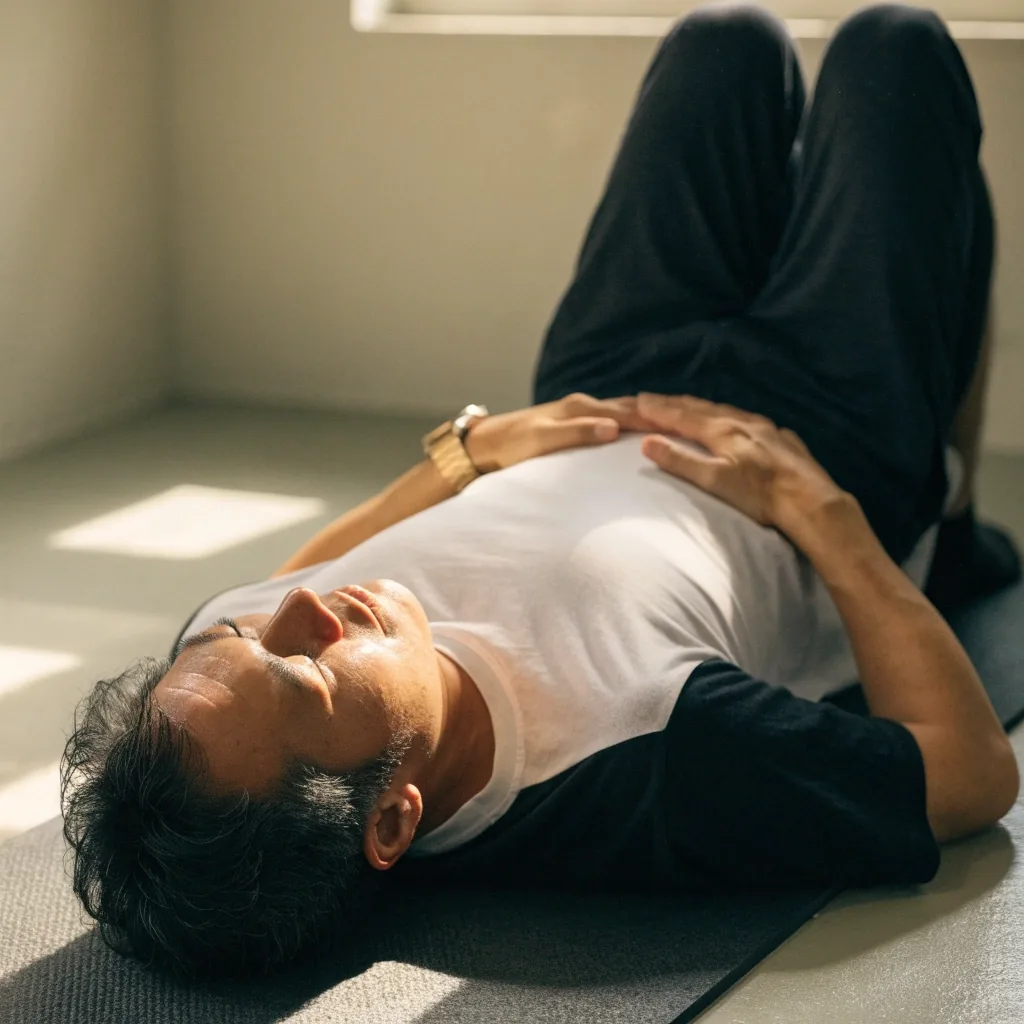
Most of the guidance here starts the same way: find the muscles, breathe normally, and only then think about counting sets.

How we choose what to publish
A topic earns a page when a reader can act on it the same day. That rules out a lot of material, and it keeps the library small enough that we can maintain it properly.
What a page has to include
- A starting position described in words you can picture at home.
- A beginner-friendly number of repetitions and a way to space them through the day.
- An honest note on what feels awkward at first and how long that usually lasts.
- A short list of what to do if the routine does not fit your week.
What we leave out
- Sentences that describe a body outcome as though it were a certainty.
- Comparisons with products or with personal guidance from a qualified professional.
- Urgency language, countdowns, and anything that pressures you to start today.
- Numbers about how many people follow the routines. We do not collect them.
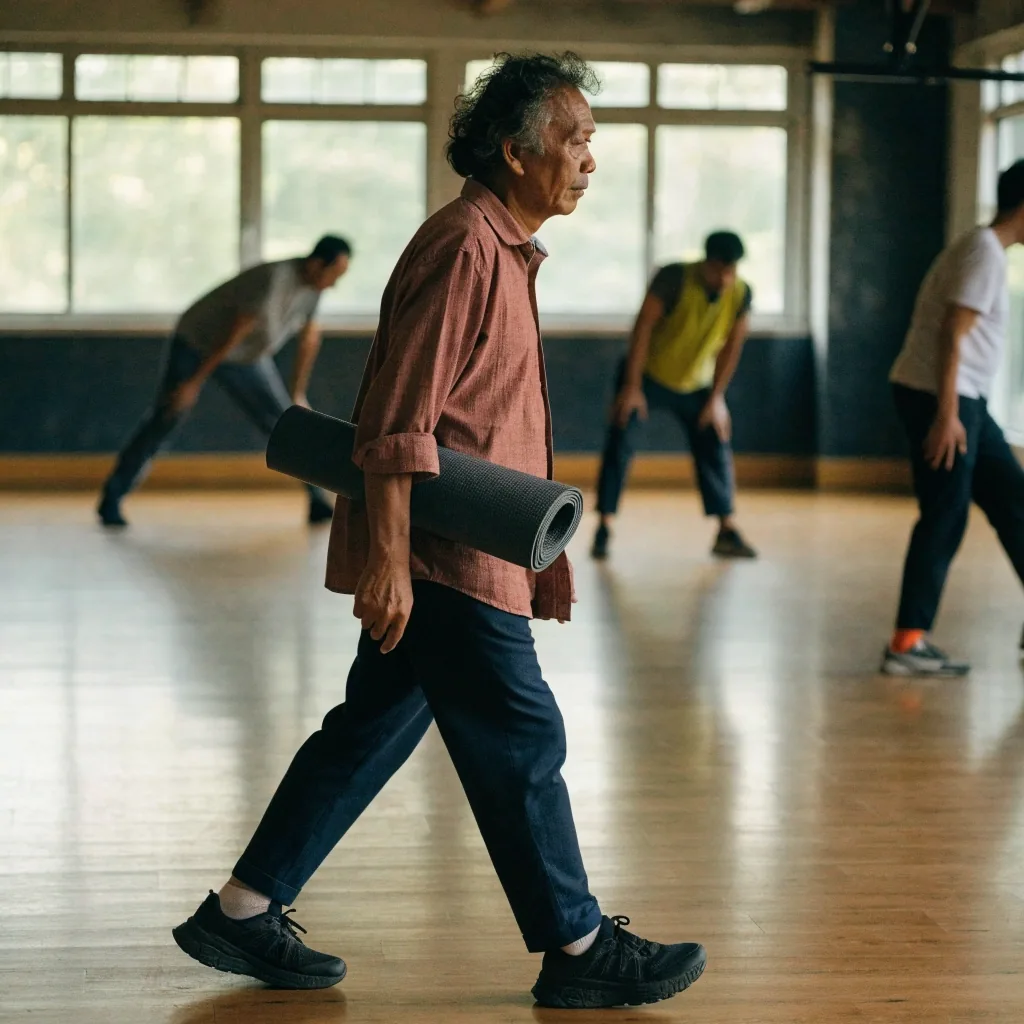
The advice you will not find here
We do not publish a promise that a routine will change your body on a schedule. We do not describe a supplement or a product as the missing piece. We do not borrow the voice of a qualified professional to make exercise guidance sound more serious than it is.
What we do publish is a routine you can start this evening on a mat or a firm floor, adjust after a week, and stop if it does not suit you. That is the whole offer, and it is enough.
Wellness Self-Care TipsHow a routine page is written
Every exercise page follows the same shape, so you always know where to look for the part you need.
-
First
Finding the muscles
We describe the internal squeeze in everyday terms and give two or three cues to test it while sitting, standing, or lying down. Getting the right muscles is the part most readers get wrong at the start, so it takes up real space on the page.
-
Then
A first week you can keep
Sets are small and spaced. A page will say how many to try, where to fit them between work and home, and what to drop first if the week gets busy. No routine here assumes you have a quiet hour to yourself.
-
After
Checking how it went
We suggest simple things to notice: whether the squeeze felt controlled, whether you were holding your breath, whether the set was easy to repeat the next day. Nothing here is scored or tracked, and nothing is sent anywhere.
Where to go next
Five pages carry the working library. Start with the one that matches the question you already have.
- Pelvic Floor Exercises for Men The starting point: where the muscles sit, how to feel them working, and a beginner routine you can repeat at home.
- Kegel Exercises Guide How to pace a squeeze and a release, and how to build a set slowly instead of rushing the count.
- Daily Routine Builder A practical way to fit short sets around work, commuting, and the rest of your day.
- Bladder & Bowel Control Basics Everyday habits around timing, fluids, and bathroom routines that work alongside the exercises.
- Wellness Self-Care Tips Sleep, movement, and stress habits that make it easier to keep a routine going through a busy month.
What you can expect from this site
Exercise information only
Our pages describe movements, positions, and pacing. They are general educational content for adults who want to build a home routine, not personalised guidance for any one person.
No outcome promises
You will not find a claim here about what a routine will do to your body or how fast. We describe the exercise and leave the result open, because it depends on your body, your consistency, and things we cannot see.
Straight answers by email
If a page is unclear, write to us and we will fix the wording. We answer questions about the content itself, and we will say plainly when a question needs someone who knows your personal situation.
Our office is at Jl. Jenderal Sudirman No. 52, Jakarta Pusat, DKI Jakarta 10220, Indonesia. If you would like to send a longer question, the contact page has the form.
Questions about the site
The things readers ask us most often before they start reading the exercise pages.
Is this site run by a professional practice?
No. It is an educational project about exercise. We write about pelvic floor training and self-care habits in general terms, and we do not offer personal guidance or hold ourselves out as a professional service.
Where does the information on the pages come from?
From widely available public health information about pelvic floor training, plus our own practice of the routines we describe. When a page leans on a public source, we name it in the text so you can read the original yourself.
Can I ask about my own situation through the contact page?
You can always write to us about the content, and we will answer what we can. Anything personal about your own body is better raised with a qualified professional who knows your history, and we will tell you that plainly rather than guess.
Do you sell anything on this site?
No. There is nothing to buy here. The pages exist to explain exercises and habits, and you can read all of them without signing up for anything.
How often are pages updated?
We revisit pages when a description proves confusing in practice or when public guidance changes. There is no fixed schedule, and we would rather update a page properly than add a new one for the sake of it.

Start with one exercise page, not the whole library.
Read the pelvic floor page first. Try the beginner set for a week, note how it fits your day, and only then decide what to add. If a question comes up while you read, our contact page is the fastest way to reach us.